Category: Self-Help

Self-help Tips and Tricks.

  • Is Your Emotional Baggage Holding You Back?
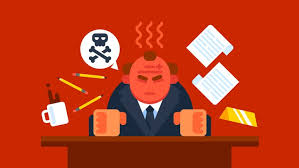
    Is Your Emotional Baggage Holding You Back?

    Are you your own worst enemy? Do you always find reasons to procrastinate? Do you hesitate or simply change course just before your project is about to pay off?

    Then chances are your suppressed emotions are holding you back.

    To understand the power of suppressed emotions we first need to acknowledge that everything we do is driven by our emotional needs.

    We buy expensive clothes, fast cars and exotic holidays not for their practical benefits but for the emotional needs they satisfy. Actually, when your really think about it, everything we do is driven by our desire for pleasure and our need to avoid pain.

    All of our decision making is determined by our perception of pleasure and pain. We choose the alternative that we believe will give us more pleasure and less pain. Often this decision making process occurs outside our conscious awareness. We come up with all sorts of stories to justify our daily choices but when we look closely and honestly we realize that we are always driven by pleasure and pain.

    Sometimes we experience more emotional pain than we can cope with. Something or someone triggers us to experience large amounts of anger or sadness or some other unpleasant emotion.

    When we hit our emotional pain threshold we stop processing the painful emotion and shut down emotionally, at least temporarily. The result is suppressed or unprocessed emotion. Since we don’t want to experience this pain on an ongoing basis we drive it deeper into our unconscious, the invisible part of our mind.

    Avoiding the emotional pain is only a short term solution however. Driving the pain into our unconscious makes it invisible to us and hence more dangerous.

    What we fail to realize is that unprocessed emotions stored in our unconscious sabotage all of our decision making by skewing our perception of pleasure and pain. The result is constant self-sabotage.

    This self-sabotage can be largely invisible to us for long periods of time because it takes place at the unconscious level.

    Very few people realize the enormous cost of their suppressed emotions. Suppressed emotions are responsible for many unfulfilled relationships, missed financial opportunities and untold health problems.

    Suppressed emotions are a major blind spot for most individuals and for society as a whole. We pay a very high price for avoiding and hiding our emotional pain.

    Once we understand the source of our “bad luck” we are able to take constructive steps to resolve the underlying issues.

    The good news is that we live in a time where many wonderful therapies are available to assist us in clearing our emotional baggage quickly and easily.

    Next time you find the world conspiring against you take a deep breath, a healthy dose of self honesty and see if you can catch a glimpse of your emotional self sabotage that is the real culprit of your self inflicted misfortune.

    Isn’t it time you lightened your load and did a spring cleaning on your emotional baggage?

    YOU DESERVE TO LIVE A HEALTHIER MORE FULFILLING LIFE!

  • What are ‘Micro Traumas’?

    What are ‘Micro Traumas’?

    Trauma is often thought of as a single, dramatic event that has a lasting impact on a person’s life. However, trauma can also manifest in subtler ways through what’s known as micro trauma.

    Micro traumas are small, repeated experiences that can accumulate over time and leave you with emotional wounds, significantly impacting your mental and emotional well-being. They can be caused by a variety of factors, such as facing discrimination, being in an unhealthy relationship or cumulative workplace stress.

    This article explores the concept of small traumas, their effects on individuals and potential strategies for coping and healing from their impact. By understanding the importance of addressing micro traumas, you can work toward creating a healthier and more supportive environment for yourself and others.

    Micro Traumas and Macro Traumas

    While you may have a fair understanding of what micro traumas are, it’s essential to understand the differences between micro and macro traumas and their varied psychological effects.

    Macro traumas typically result from singular, major events that have caused you physical or emotional distress. This could be psychological trauma related to a natural disaster, physical or sexual assault, childhood trauma or a severe accident. These events often involve a sense of threat to your safety or life, and they can lead to long-lasting psychological effects such as PTSD (Post Traumatic Stress Disorder).

    In contrast, micro traumas are minor, repeated experiences that you may write off as insignificant. However, they can accumulate over time and cause significant harm. These events may not seem traumatic on their own, but their ongoing nature can lead to adverse mental and emotional effects. For example, enduring constant criticism, rejection or discrimination or being subjected to daily stressors like work pressure can accumulate and lead to a sense of being constantly overwhelmed, anxious or hopeless.

    It’s important to note that the impact of a traumatic event can vary widely based on a person’s experiences and coping mechanisms. Additionally, many people may experience both macro and micro traumas throughout their lives, and small trauma incidents can exacerbate the effects of macro traumas.

    How to Recognize Micro Traumas

    Micro traumas can be difficult to recognize because they often involve small, seemingly common experiences rather than singular, major events. However, there are some common signs and symptoms that may indicate you’re dealing with micro traumas, such as:

    • Chronic stress. If you find yourself constantly stressed or pressured, be it from work or personal matters, you might be undergoing micro trauma, and you should incorporate healthy relief or coping mechanisms into your life.
    • Emotional dysregulation. If you struggle to regulate your emotional responses to some situations, they may be associated with some micro trauma.
    • Negative self-image. If you feel a sense of worthlessness, shame or inadequacy, it might have resulted from small traumas like ongoing criticism or rejection.
    • Avoidance behaviors. If you avoid certain situations or people because they trigger negative emotions or feelings of vulnerability, there might be an underlying micro trauma that you haven’t healed from.
    • Physical symptoms. If you experience physical symptoms such as headaches, fatigue, or muscle tension as a result of ongoing stress or anxiety, you might have unresolved trauma.
    • Microaggression. If you sometimes make subtle but unintentional actions or comments that communicate negative or harmful messages towards someone or something, it might be a coping mechanism from a micro trauma.
    • Relationship difficulties. If you struggle to form or maintain healthy relationships due to trust issues or disconnection from others, that’s a sign that you might need to address some micro traumas.

    When evaluating your life to look for unresolved emotional wounds or chronic stressors, use these signs of micro trauma as a guideline. However, remember that everyone experiences micro traumas differently, and not all these symptoms may be present in every case.

    Recognizing these signs and symptoms can be an important first step in identifying the presence of micro traumas and seeking support and healing.

    Impact on Mental Health

    Micro traumas can significantly impact mental health, as they can lead to a range of negative emotions and psychological effects. The ongoing nature of these experiences can lead to feelings of powerlessness, hopelessness and anxiety, making it difficult to feel safe and secure in your environment.

    Over time, the accumulation of micro traumas can lead to symptoms of depression, such as low mood, lack of motivation and feelings of worthlessness. Individuals who’ve experienced micro traumas may also struggle with trust and intimacy in relationships and feel disconnected from others.

    Recognizing the impact of micro traumas on mental health is an essential step to healing and recovery, as it can help individuals identify the root causes of their distress and develop strategies for coping and healing.

    However, keep in mind that the impact of micro traumas can vary based on individual resilience and coping mechanisms, as well as the specific circumstances of the experience.

    Importance of Addressing Micro Traumas

    The ongoing nature of micro traumas can make them challenging to identify and address, but failing to do so can result in severe mental health concerns. Individuals can take steps toward healing and recovery by recognizing and seeking help for their micro traumas.

    This may involve developing healthy coping mechanisms to manage ongoing stressors, seeking support from friends, family or mental health professionals or removing yourself from toxic or harmful situations.

    Additionally, addressing micro traumas is vital on a broader societal level, as it can help identify and address systemic issues such as discrimination or inequality that may be contributing to the experiences of micro traumas for specific individuals or groups.

    Addressing micro traumas is integral to maintaining your mental and emotional well-being and working toward a healthier, more supportive environment for all.

    Do You Have Micro Traumas? [Quiz]

    If you are looking for help to release the effects of past trauma, micro or macro, please call me for a free consultation to discuss how I can assist you.

  • Healing Childhood Trauma as an Adult

    What is Trauma?

    According to the American Psychological Association (APA), trauma is “an emotional response to a terrible event like an accident, rape, or natural disaster.”

    However, a person may experience trauma as a response to any event they find physically or emotionally threatening or harmful. An experience can be traumatic for one person while another person simply shrugs it off.

    Another way to look at trauma is to realize that it is unprocessed emotions. When we have a highly stressful experience some emotions may not get fully processed and the result is that these emotions our stored in our body for later processing.

    We don’t have any problems processing positive emotions so these unprocessed emotions are always unpleasant emotions. To avoid feeling the pain we associate with these emotions they are soon hidden in our unconscious mind. As a result we usually forget about the incident, however, the unprocessed emotions continue to affect all of our decision making and our behaviour, often without us even realizing it.

    It is difficult to release trauma without proper training but once we understand why trauma is experienced and retained we can progress on the path to healing.

    Resolving childhood trauma can be a highly cathartic experience. Utilizing the power of our unconscious mind allows us to greatly accelerate the healing process as long as we provide the unconscious mind with proper guidance.

    If you feel that past trauma is preventing you from fully enjoying life then please contact me for a free consultation to discuss how I can assist you.

  • Everybody wants to save their marriage but nobody wants to learn NLP

    Everybody wants to save their marriage but nobody wants to learn NLP

    When you think about ways to save your marriage I doubt that NLP makes it onto your list.

    Chances are you haven’t even heard about NLP, little less know what it is.

    If you have heard about it chances are you think it is slick double talk used by slimy sales people to sell you something you neither want nor can afford.

    Yes, I very much doubt that NLP makes it onto your list of ways to save your marriage.

    I only had this epiphany today.

    You see, I have been living and breathing NLP for the best part of 20 years.

    When I don’t use it to help my clients let go of anger, overcome depression or release outdated grief I train student to become NLP gurus.

    So I sometimes forget that most people haven’t even heard about NLP or how it can magically change their relationships and every other aspect of their life.

    Come to think of it, nobody has ever signed up to my NLP training to save their marriage, though the training did save the marriages of several students, helped others find their dream partner and transformed their life in ways they couldn’t even imagine before they started the training.

    So what exactly is NLP?

    There are many technical definitions but I won’t bore you with those.

    In a nutshell, I would say that NLP is the closest thing to a “Science of Happiness” that I have ever seen.

    NLP is a bunch of tools, techniques and processes that allow us to change our emotional state (or someone else’s) in seconds or minutes.

    Yes, I said seconds or minutes. That’s not a misprint and it’s not hyperbole either.

    That is why NLP training has been a mainstay in Fortune 500 companies, the US military and elite sports for decades.

    Having breathed this stuff for over two decades I often forget that the average person still hasn’t discovered this groundbreaking technology that has transformed countless lives and has been the bedrock of untold numbers of corporate success stories.

    So how exactly can NLP save your marriage?

    Well the details obviously vary from case to case depending on the situation but learning NLP will make you a happier person, a better communicator, a more understanding and empathetic partner and it will make you more charismatic without even trying.

    Don’t believe me? Find someone who has studied NLP and ask them.

    If they don’t agree with my statement above then they studied at the wrong place.

    You see the key is that you will learn the skills to become the master of your own emotional domain. You will no longer blame others for how you feel.

    You will develop a profound understanding of what causes your partner and others to go into an emotional tailspin at times and you won’t take it personal, because it has nothing to do with you.

    At first this profound change may well unnerve your partner and your friends, but very soon they will want what you have.

    So next time you are looking for a way to save your marriage, just think NLP (Never Loose Partner) and give me a call.

    You’ll be glad you did.

Free Consult